en

Aggregate feeders

background

Calculate the construction cost with us!

Fast and accurate construction cost calculation with our online calculator. Save effort – get precise figures for your project easily and quickly.

Order a consultation

Do you want the best concrete plant tailored to your needs? Fill out the form, and we will contact you.

KARMEL Conveyors, Screw Feeders and Bucket Elevators — Efficient Transportation of Bulk Materials

Modern concrete mixing complexes, production lines, and grain processing enterprises require reliable and productive solutions for material transportation. KARMEL offers high-performance conveyors, screw feeders, and bucket elevators that ensure automated movement of cement, sand, crushed stone, grain, and other bulk materials with minimal losses and optimal efficiency.


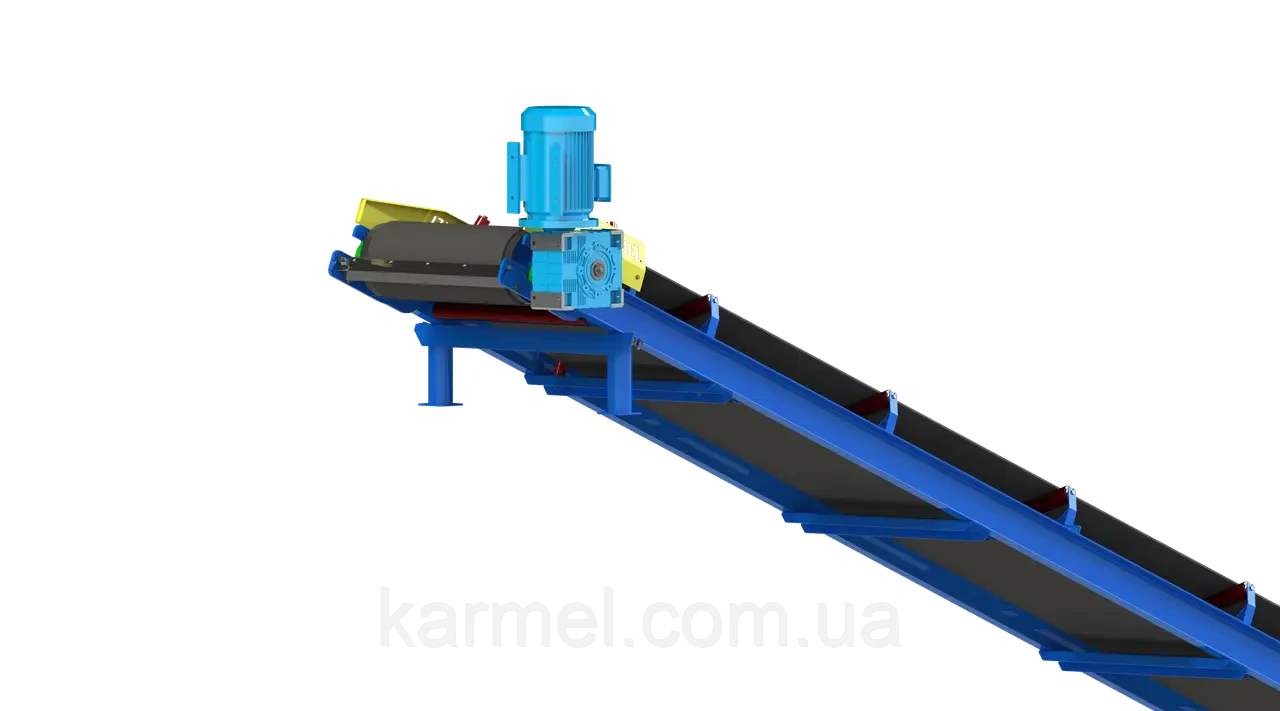
1. KARMEL Belt Conveyors

Purpose:

βœ… Transportation of sand, crushed stone, cement, dry building mixes, coal, grain crops.
βœ… High productivity in moving materials over distances up to 200 meters.
βœ… Used at concrete mixing plants, quarries, and industrial enterprises.

Features of belt conveyors:

πŸ”Ή Load capacity from 5 to 500 tons/hour.
πŸ”Ή High-strength belts (rubber, PVC, modular, textile) with high wear resistance.
πŸ”Ή Modular design allows easy adjustment of conveyor length.
πŸ”Ή Adjustable incline angle (from 0° to 45°) to adapt to production conditions.
πŸ”Ή Can be equipped with protective covers and load control sensors.
πŸ”Ή Automatic control system integrates into production processes.

Types of KARMEL conveyors:

βœ” Straight belt conveyors (for horizontal transport).
βœ” Inclined conveyors (for loading materials to higher levels).
βœ” Curved and vertical conveyors (for compact placement).


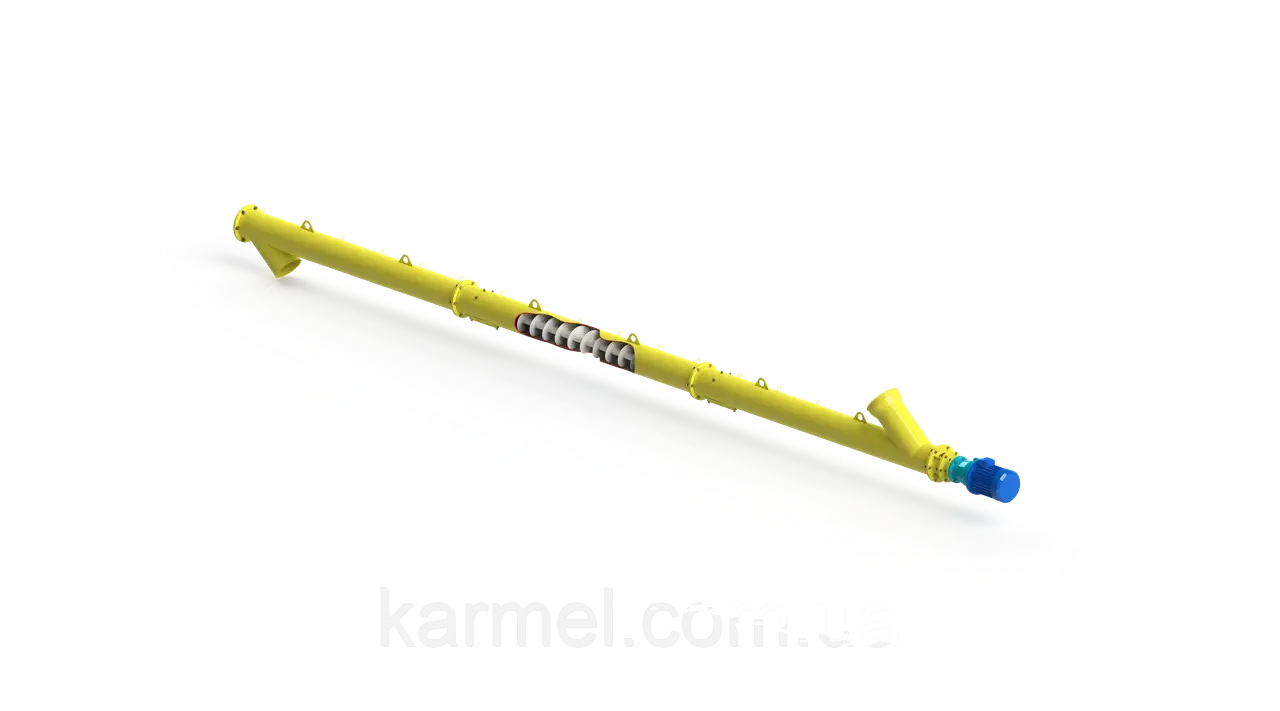
2. KARMEL Screw Feeders (Auger Conveyors)

Purpose:

βœ… Automatic feeding of cement, mineral powder, lime, flour, and other fine bulk materials.
βœ… High tightness of design prevents material losses and reduces dust.
βœ… Used in concrete plants, grain elevators, chemical and food enterprises.

Features of screw feeders:

πŸ”Ή Capacity from 5 to 250 tons/hour.
πŸ”Ή Screw diameters: from 100 mm to 500 mm.
πŸ”Ή Length up to 20 meters (with modular extension capability).
πŸ”Ή Made from carbon or stainless steel.
πŸ”Ή Equipped with dust-proof seals and self-lubricating bearings.
πŸ”Ή Capable of operation at various incline angles (up to 60°).

Types of screw conveyors:

βœ” Tubular screw conveyors (compact, enclosed, sealed).
βœ” U-trough screw conveyors (easy to maintain, open or partially closed).
βœ” Mobile screw feeders (movable for flexible use).


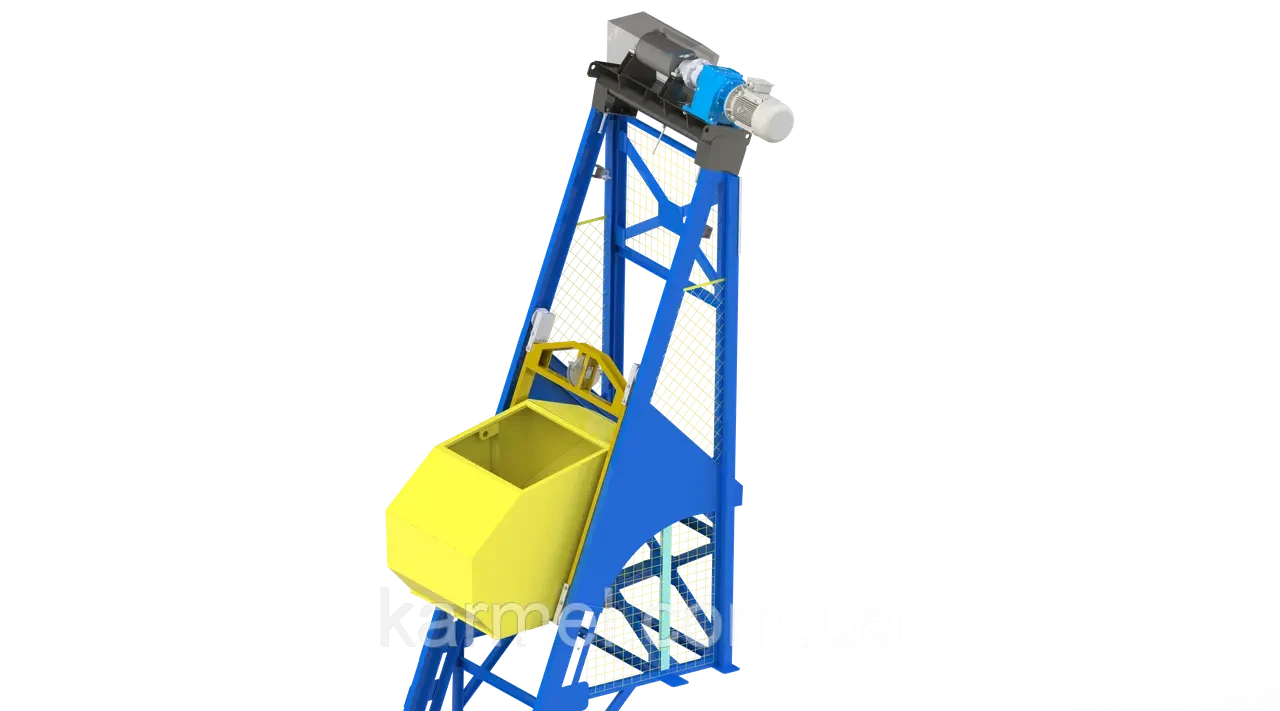
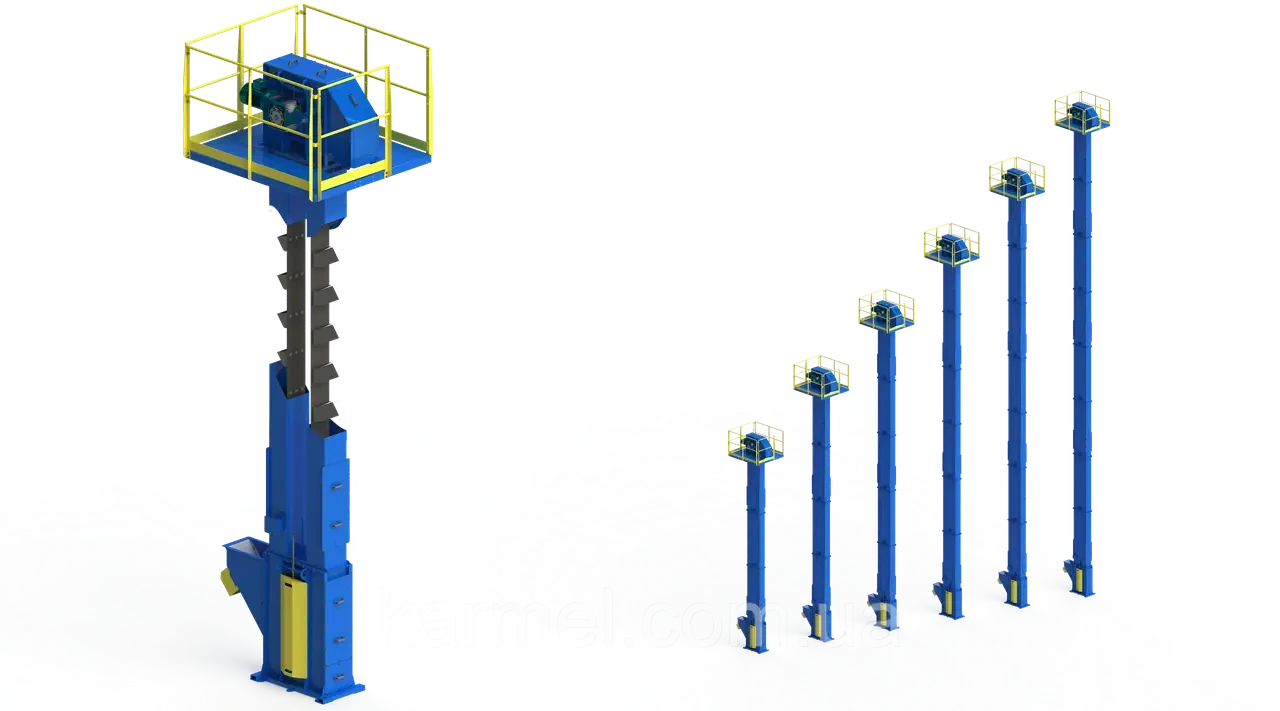
3. KARMEL Bucket Elevators

Purpose:

βœ… Vertical transportation of bulk materials: cement, grain, sand, mineral powders, dry mixes.
βœ… Used in concrete mixing plants, elevators, flour mills, and feed mills.

Features of KARMEL bucket elevators:

πŸ”Ή Load capacity from 10 to 500 tons/hour.
πŸ”Ή Lifting height up to 50 meters.
πŸ”Ή Buckets made of metal or polymer materials, ensuring durability.
πŸ”Ή Bucket speed is adjustable to adapt for different materials.
πŸ”Ή Sealed design minimizes material losses and dust.
πŸ”Ή Option for installation of automatic load sensors and temperature control.

Types of KARMEL bucket elevators:

βœ” Belt bucket elevators (effective for medium and high speeds).
βœ” Chain bucket elevators (for transporting heavy materials).
βœ” High-speed industrial bucket elevators (for large volume movement).


Advantages of KARMEL Conveyors, Screw Feeders, and Bucket Elevators

1. Reliability and Durability

βœ” Use of wear-resistant materials and anti-corrosion coating.
βœ” High resistance to loads, mechanical damage, and aggressive environments.

2. Automation and Efficiency

βœ” Control systems allow integration of conveyors into automatic production processes.
βœ” Level, temperature, and load sensors ensure uninterrupted operation.

3. Minimal Operating Costs

βœ” Low energy consumption and maintenance savings.
βœ” Optimized design minimizes material losses.

4. Ease of Installation and Maintenance

βœ” Quick installation, convenient access to all components.
βœ” Modular systems easily adaptable to various production conditions.