
Коли власник будівельної компанії приймає рішення купити бетонний завод, фактично мова йде не просто про придбання обладнання. Це створення повноцінної виробничої системи.
Бетонний завод включає:
-
дозувальні бункери інертних матеріалів
-
систему транспортування матеріалів (конвеєр або скіп)
-
цементні силоси
-
змішувальний вузол
-
систему дозування води та добавок
-
автоматизовану систему управління (PLC або SCADA)
-
систему пилоочистки
-
систему зимового підігріву матеріалів
Технічний аудит показує, що до 40% продуктивності бетонного вузла залежить не від міксера, а від логістики інертних матеріалів і точності дозування.
Саме тому купівля РБУ повинна розглядатися як інжиніринговий проєкт, а не просто закупівля обладнання.
Коли бізнесу вигідно купити бетонний завод
На основі нашої практики інвестиція у бетонний завод стає економічно виправданою при таких умовах:
-
обсяг споживання бетону понад 1500–2000 м³ на місяць
-
відстань до найближчого постачальника більше 25 км
-
високі вимоги до стабільності марок бетону
-
необхідність працювати в пікові будівельні сезони
Ми помітили тренд: девелоперські компанії дедалі частіше створюють власні РБУ прямо на будівельному майданчику або поблизу кар’єрів інертних матеріалів.
Це дозволяє:
-
уникнути затримок доставки
-
контролювати рецептури
-
зменшити витрати на логістику
Типи бетонних заводів
Перед тим як купити бетонний завод, необхідно визначити його тип.
Найпоширеніші конфігурації:
-
стаціонарний конвеєрний бетонний завод
-
стаціонарний скіповий бетонний завод
-
мобільний бетонний завод
Кожен тип має свої технічні особливості, вимоги до майданчика та бюджет інвестицій.
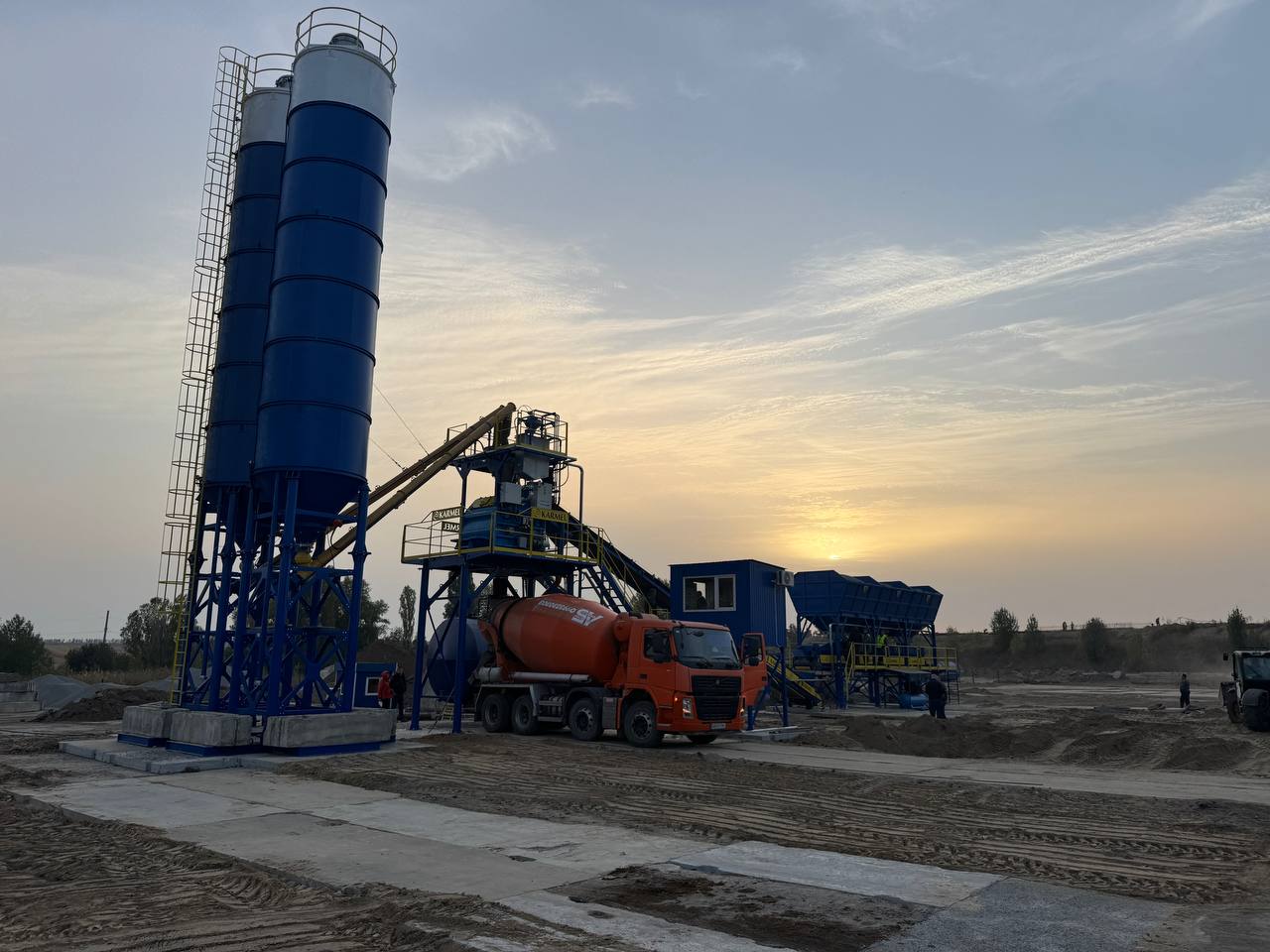
Стаціонарний конвеєрний бетонний завод
Що таке конвеєрний бетонний завод
Стаціонарний конвеєрний бетонний завод — це промислова бетонозмішувальна установка, у якій подача інертних матеріалів до змішувача здійснюється за допомогою стрічкового транспортера.
Такий тип РБУ використовується для:
-
великих будівельних компаній
-
бетонних виробництв
-
виробництва ЖБВ
-
інфраструктурних проєктів
Технічні характеристики
Основні параметри:
-
продуктивність: 20–200 м³/год
-
об’єм змішувача: 0.5–4 м³
-
кількість силосів: 2–6
-
точність дозування: ±1%
Переваги конвеєрної системи
На основі нашої практики конвеєрна система має ряд технологічних переваг:
• стабільна подача інертних матеріалів
• висока продуктивність
• зниження циклу змішування
• можливість роботи 24/7
Технічний аудит показує, що конвеєрні РБУ забезпечують до 15% вищу стабільність виробничих циклів, ніж аналогічні скіпові системи.
Вартість конвеєрного бетонного заводу
Орієнтовна ціна:
100 000 – 420 000 євро
Ціна залежить від:
-
продуктивності
-
об'єму змішувача
-
кількості силосів
-
рівня автоматизації
Стаціонарний скіповий бетонний завод
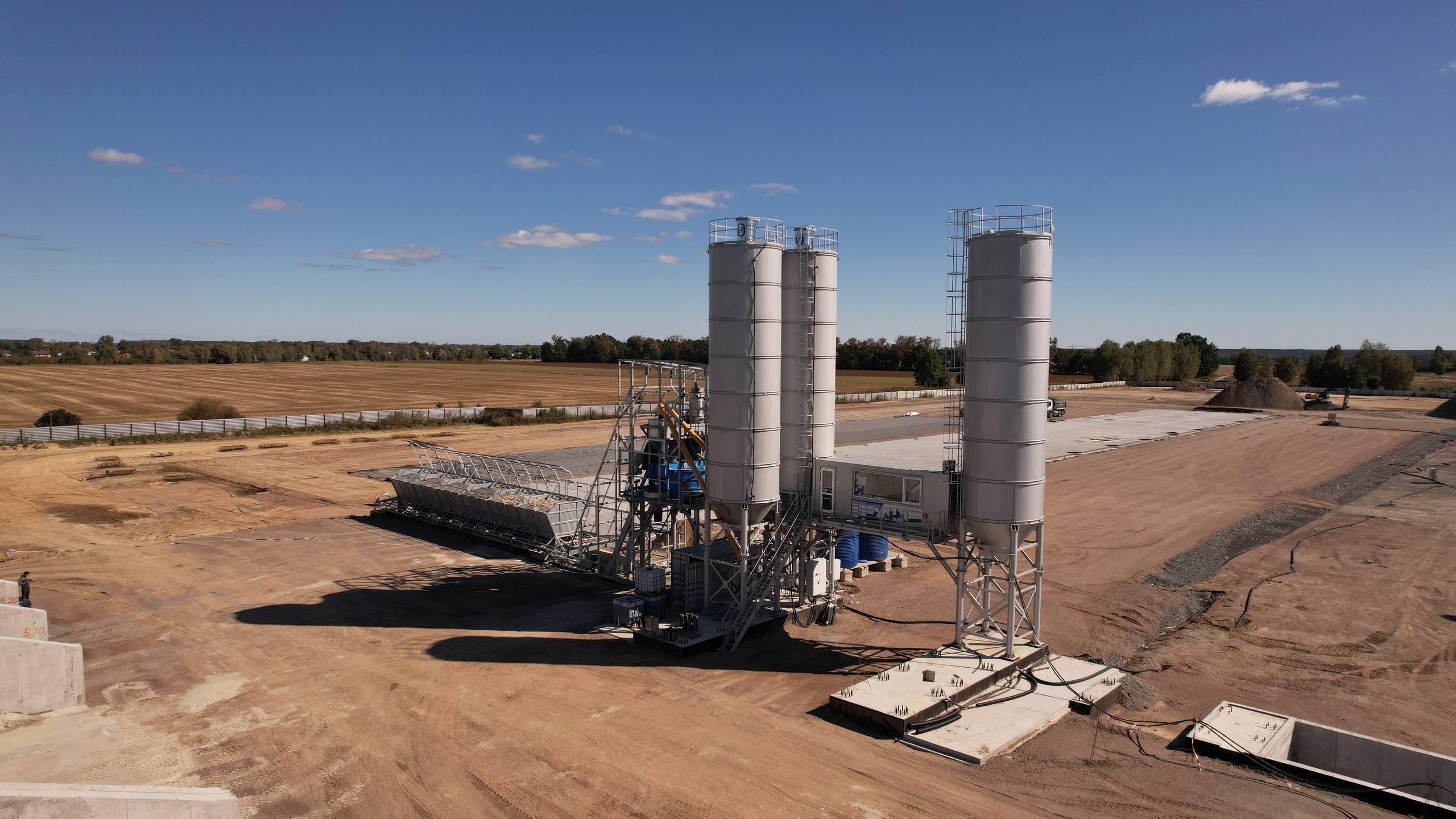
Що таке скіповий бетонний завод
Стаціонарний скіповий бетонний завод використовує скіп-підйомник (skip hoist) для транспортування інертних матеріалів до змішувача.
Це компактніше рішення порівняно з конвеєрним РБУ.
Основні параметри
-
продуктивність: 20–200 м³/год
-
висота установки: 10–20 м
-
об’єм змішувача: 0.5–4 м³
-
кількість бункерів: 3–6
Переваги скіпової системи
На основі нашої практики скіпові РБУ часто встановлюють у міських умовах.
Переваги:
-
компактність майданчика
-
менша довжина фундаменту
-
нижча вартість монтажу
-
простіша логістика установки
Технічний аудит показує, що скіпові бетонні заводи займають на 25–30% менше площі, ніж конвеєрні.
Ціна скіпового бетонного заводу
Орієнтовний діапазон інвестицій:
100 000 – 420 000 євро
На ціну впливають:
-
продуктивність
-
тип змішувача
-
кількість силосів
-
рівень автоматизації
Мобільний бетонний завод
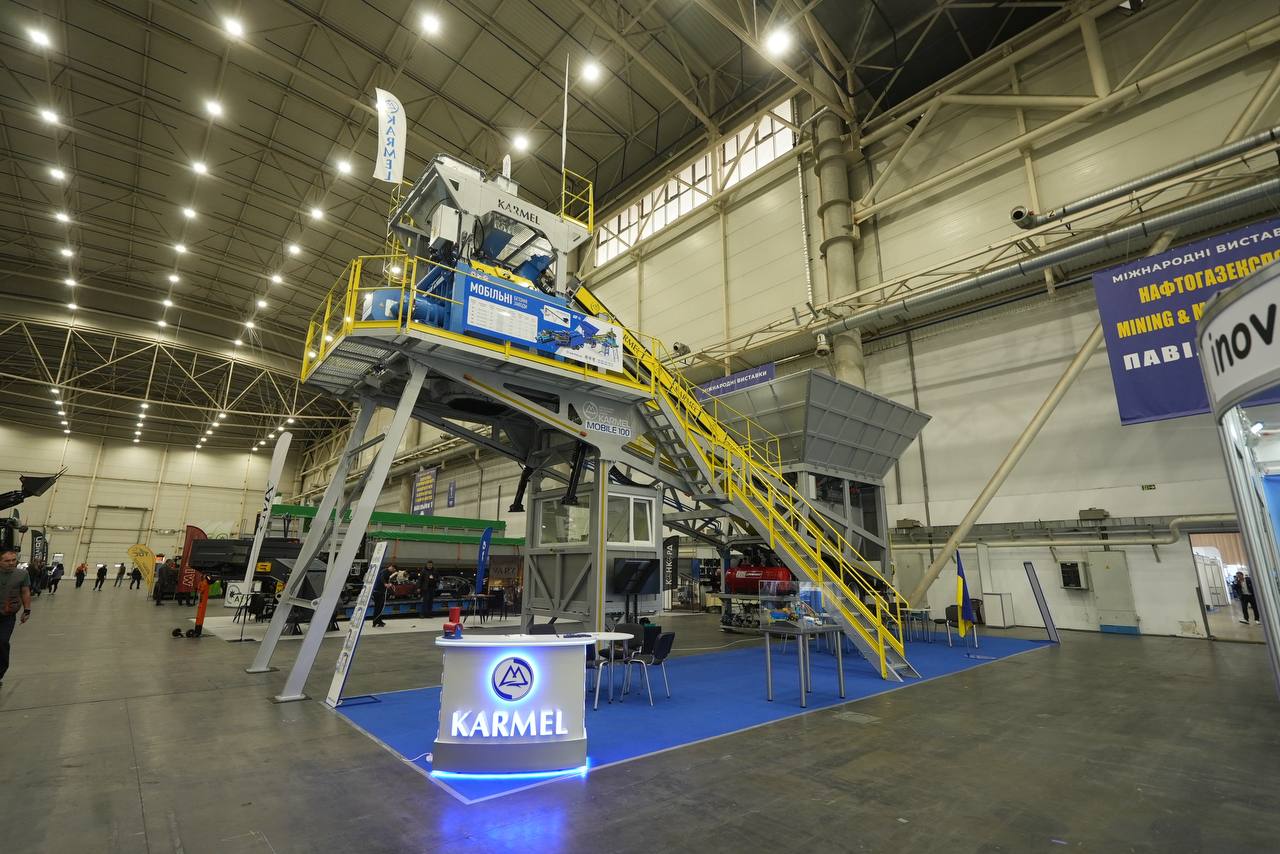
Що таке мобільний РБУ
Мобільний бетонний завод — це компактна бетонозмішувальна установка, змонтована на транспортній рамі.
Такий тип обладнання використовується для:
-
дорожнього будівництва
-
інфраструктурних проєктів
-
тимчасових виробничих майданчиків
Основні характеристики
-
продуктивність: 20–120 м³/год
-
час монтажу: 1–3 дні
-
транспортування: 1–2 трейлери
Переваги мобільних бетонних заводів
Ми помітили тренд: мобільні РБУ активно використовуються підрядниками, які працюють на кількох об'єктах одночасно.
Переваги:
• швидкий монтаж
• можливість переміщення між об'єктами
• мінімальна підготовка фундаменту
Вартість мобільного бетонного заводу
Середній бюджет:
100 000 – 250 000 євро
Ціна залежить від:
-
продуктивності
-
комплектації
-
системи автоматизації
Порівняння типів бетонних заводів
| Параметр | Конвеєрний | Скіповий | Мобільний |
|---|---|---|---|
| Продуктивність | 20–200 м³/год | 20–200 м³/год | 20–120 м³/год |
| Площа майданчика | велика | середня | мінімальна |
| Монтаж | 20–40 днів | 15–30 днів | 1–3 дні |
| Мобільність | ні | ні | так |
| Ціна | 100–420 тис. € | 100–420 тис. € | 100–250 тис. € |
Основні технічні параметри бетонного заводу
Коли компанія планує купити бетонний завод, критично важливо оцінювати технічні характеристики.
Продуктивність бетонного вузла
Продуктивність визначається:
-
об'ємом змішувача
-
часом циклу
-
системою подачі інертних матеріалів
Формула продуктивності:
Q = V × N
де:
-
V — об’єм змішувача
-
N — кількість циклів на годину
Наприклад:
-
міксер 2 м³
-
30 циклів/год
продуктивність = 60 м³/год
Типи змішувачів бетонних заводів
Сучасні бетонні заводи використовують два основні типи змішувачів.
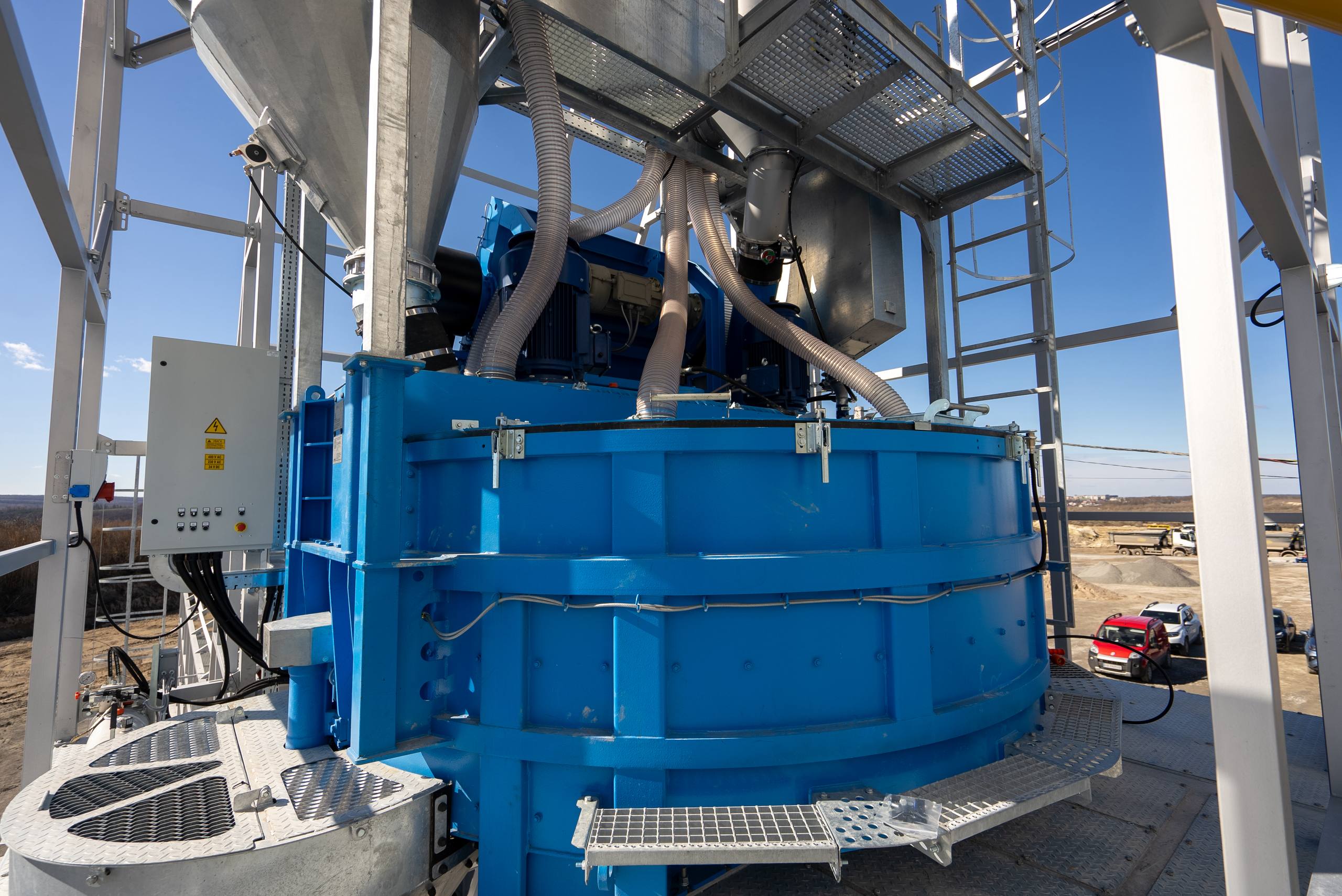
Планетарний змішувач
Планетарний міксер забезпечує інтенсивне перемішування суміші.
Використовується для:
-
виробництва ЖБВ
-
спеціальних бетонів
-
складних рецептур
Переваги:
-
висока однорідність суміші
-
рівномірний розподіл цементу
-
стабільна якість бетонних сумішей
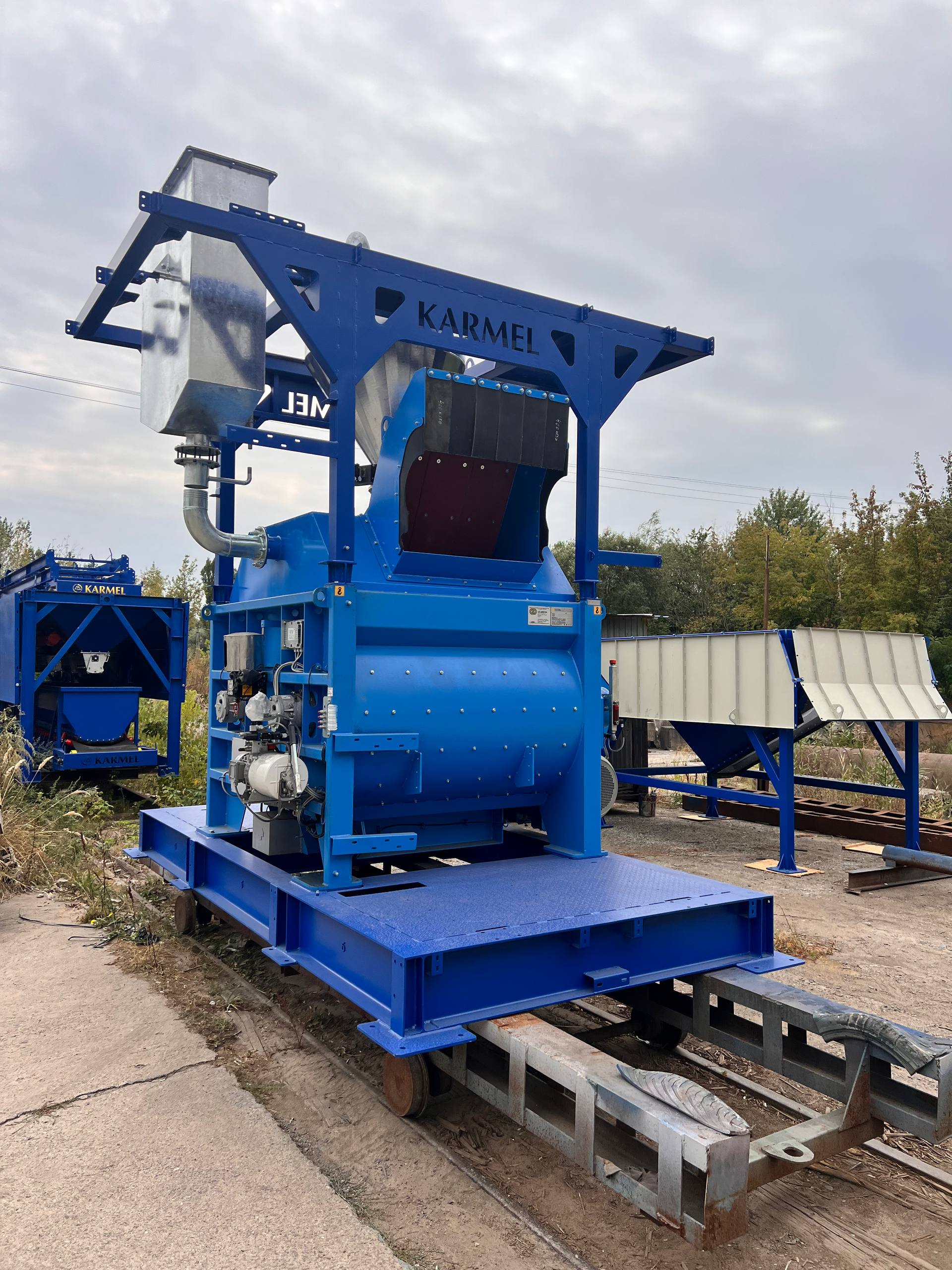
Двовальний змішувач
Двовальний — найпоширеніший тип змішувача на бетонних заводах.
Переваги:
• швидке змішування
• стабільна продуктивність
• підходить для великих обсягів виробництва
Такі змішувачі широко використовуються на бетонних заводах продуктивністю 60–200 м³/год.
Автоматизація бетонного заводу
Сучасні РБУ працюють через PLC або SCADA системи управління.
Функції автоматизації:
-
контроль рецептур
-
архівування виробництва
-
інтеграція з ERP системами
-
дистанційний моніторинг
Технічний аудит показує, що автоматизація дозволяє зменшити:
-
людські помилки на 30–50%
-
перевитрати цементу до 7%
Окупність бетонного заводу
На основі нашої практики термін окупності бетонного заводу становить 18–36 місяців.
Фактори, що впливають:
-
обсяг виробництва
-
ціна цементу
-
логістика інертних матеріалів
-
енергоефективність обладнання
Наприклад:
-
виробництво: 3000 м³/місяць
-
маржа: 12 €/м³
Прибуток:
36 000 € на місяць
Інвестиція 400 000 € може окупитися приблизно за 18–24 місяці.
Етапи запуску бетонного заводу
Запуск РБУ — це чітко структурований інжиніринговий процес.
-
Техніко-економічне обґрунтування
-
Проєктування майданчика
-
Підбір обладнання
-
Виробництво та поставка
-
Монтаж
-
Пусконалагоджувальні роботи
-
Навчання персоналу
Ми помітили, що більшість затримок виникає на етапі підготовки інфраструктури майданчика.
Типові помилки при купівлі бетонного заводу
Бізнес часто допускає однакові помилки.
• купівля заводу без розрахунку обсягів
• економія на системі автоматизації
• недооцінка логістики інертних матеріалів
• неправильний вибір змішувача
• відсутність резервної системи живлення
Технічний аудит показує, що ці фактори можуть знизити ефективність виробництва на 25–40%.
Які стандарти якості має підтримувати бетонний завод
Для ринку України та Європи актуальні стандарти:
-
EN 206 — Concrete specification
-
EN 197 — Cement
-
ISO 9001 — Quality Management
-
ISO 14001 — Environmental Management
Контроль якості включає:
-
лабораторні випробування
-
контроль вологості інертних матеріалів
-
контроль температури суміші
-
перевірку міцності контрольних кубиків
FAQ — питання, які задають власники бізнесу
Чи вигідно купити бетонний завод для однієї будівельної компанії?
Якщо споживання перевищує 2000 м³ бетону на місяць, власний бетонний завод часто економічно вигідніший за закупівлю бетону у сторонніх виробників.
Яка продуктивність бетонного заводу оптимальна?
Для більшості будівельних компаній оптимальною є продуктивність 40–90 м³/год, але для великих інфраструктурних проєктів використовують заводи 120–200 м³/год.
Скільки часу займає запуск бетонного заводу?
Середній цикл запуску:
-
проєктування — 2–4 тижні
-
виробництво обладнання — 6–10 тижнів
-
монтаж — 2–4 тижні
Повний запуск займає 3–4 місяці.
Чи можна модернізувати бетонний завод?
Так. Модернізація може включати:
-
нову систему автоматизації
-
додаткові цементні силоси
-
модернізацію змішувача
Це дозволяє підвищити продуктивність до 30%.
Які витрати на обслуговування бетонного заводу?
Середні витрати становлять 3–6% від вартості обладнання на рік.
Основні витрати:
-
заміна лопатей змішувача
-
сервіс редукторів
-
обслуговування транспортерів та підйомників
-
✔ Висновок
Купівля бетонного заводу продуктивністю 20–200 м³/год — це інвестиція у контроль якості, стабільність виробництва та зниження операційних витрат. На основі нашої практики компанії, які грамотно підходять до вибору типу РБУ — конвеєрного, скіпового або мобільного, отримують довгострокову конкурентну перевагу на будівельному ринку.
