
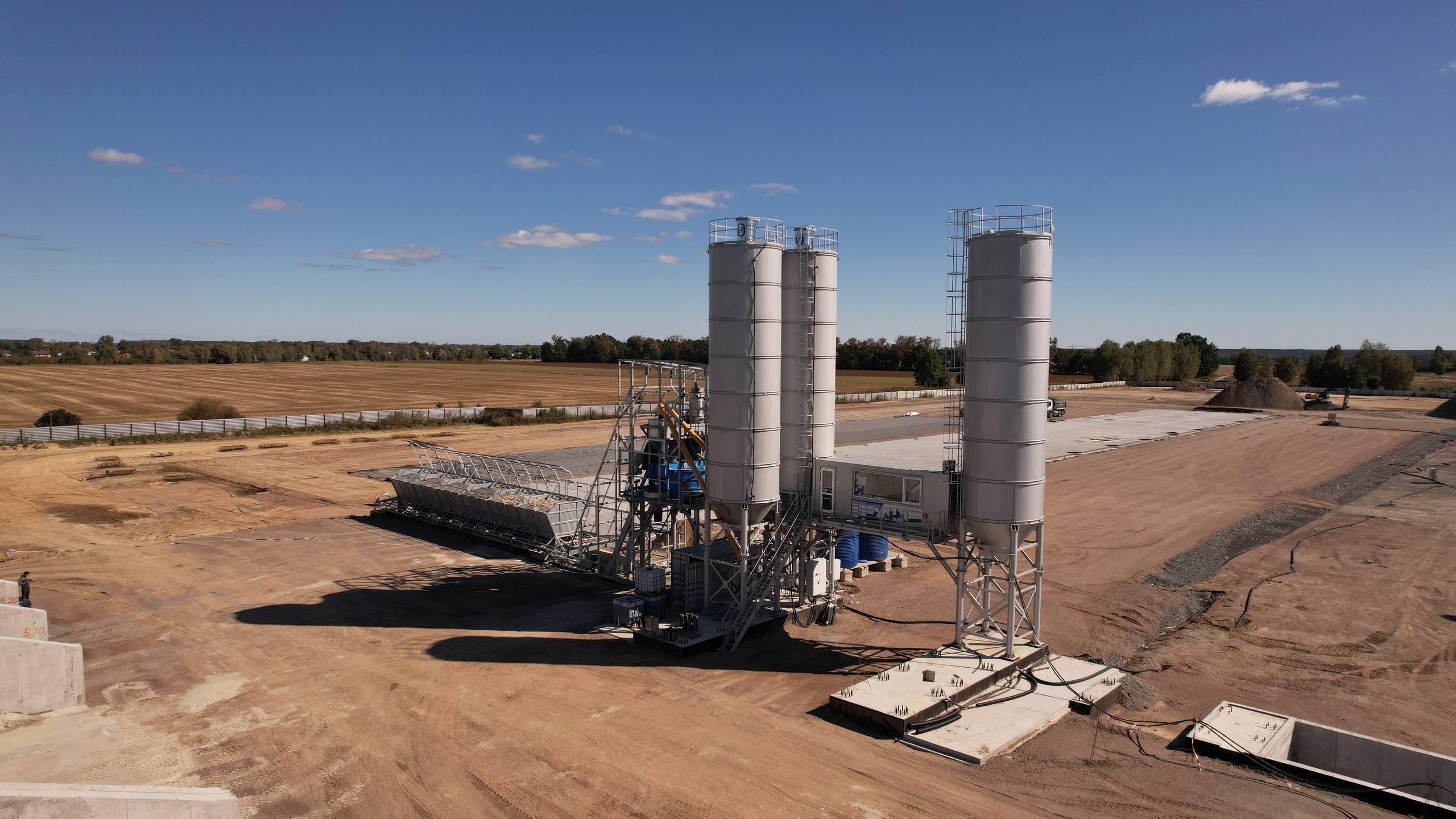
Будівництво бетонного заводу — це не просто покупка обладнання. Це стратегічне рішення, яке впливає на якість продукції, швидкість будівництва, операційні витрати та прибутковість бізнесу на роки вперед. Саме тому компанія KARMEL позиціонує себе не як постачальник техніки, а як довгостроковий інженерний партнер.
За більше ніж 25 років роботи ми пройшли шлях від невеликої майстерні до потужного виробництва з міжнародними стандартами якості. Сьогодні наші бетонозмішувальні установки працюють в Україні, Європі, Азії та Африці — на дорогах, мостах, промислових об’єктах, вітрових електростанціях та великих інфраструктурних проєктах. Але за кожним заводом стоїть чіткий процес, команда та філософія роботи.
1. З чого починається ваш завод? — Правильні питання замість шаблонів
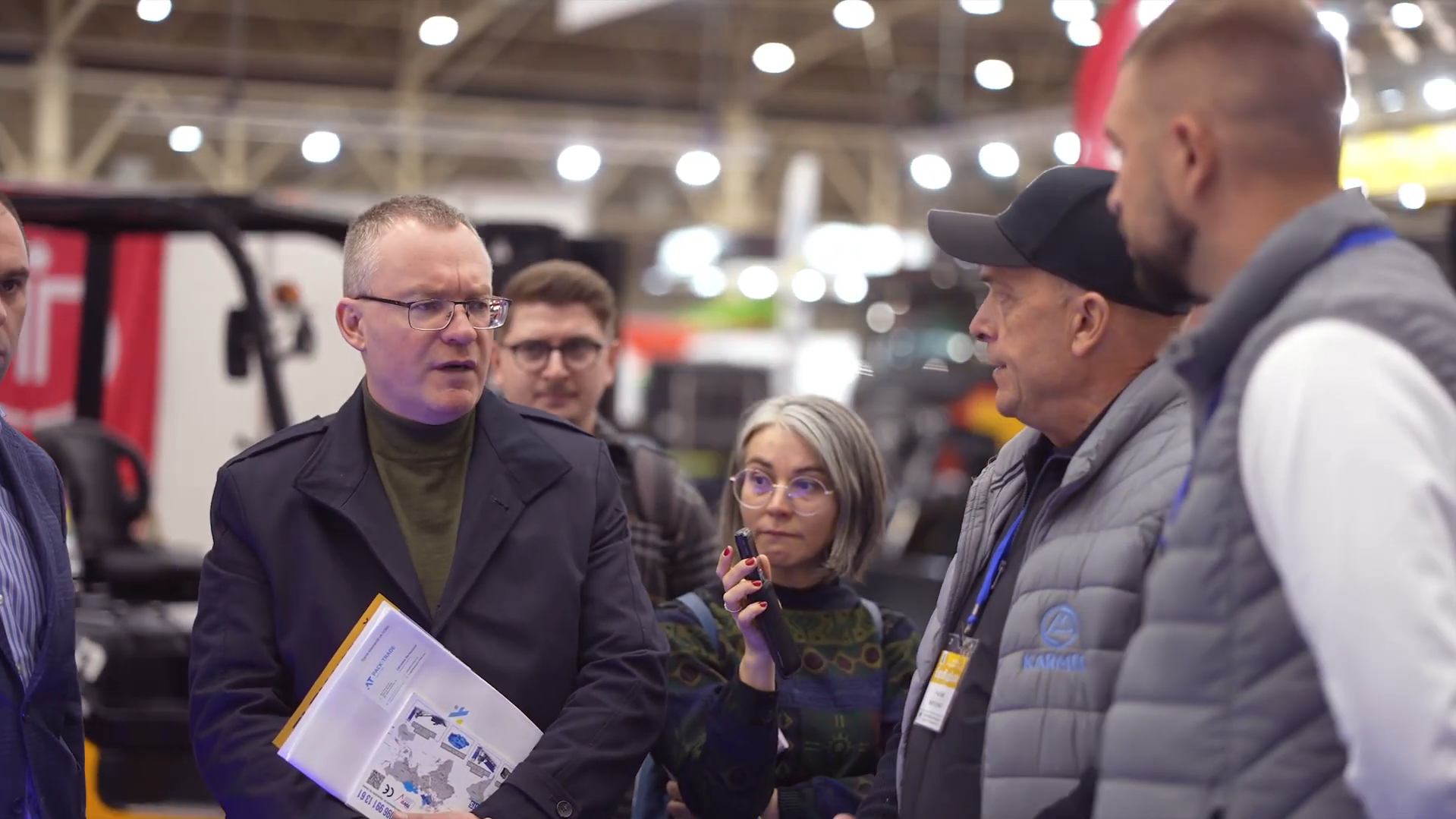
Кожен проєкт стартує не з каталогу, а з діалогу. Наші клієнти приходять із різними задачами: хтось будує дороги, хтось житлові комплекси, хтось працює у кар’єрі або індустріальному парку. Тому перший етап — це глибоке занурення в потреби замовника.
Ми допомагаємо відповісти на ключові питання:
-
Які обсяги бетону вам потрібні зараз і через 3–5 років?
-
Чи буде завод стаціонарним чи мобільним?
-
Які марки бетону плануєте виробляти?
-
Які кліматичні умови роботи?
-
Які вимоги до екології та пилозахисту?
-
Чи потрібна повна автоматизація та дистанційний контроль?
Саме на цьому етапі народжується індивідуальне технічне рішення — замість типового «коробкового продукту».
2. Інженерія KARMEL: серце будь-якого заводу — змішувач
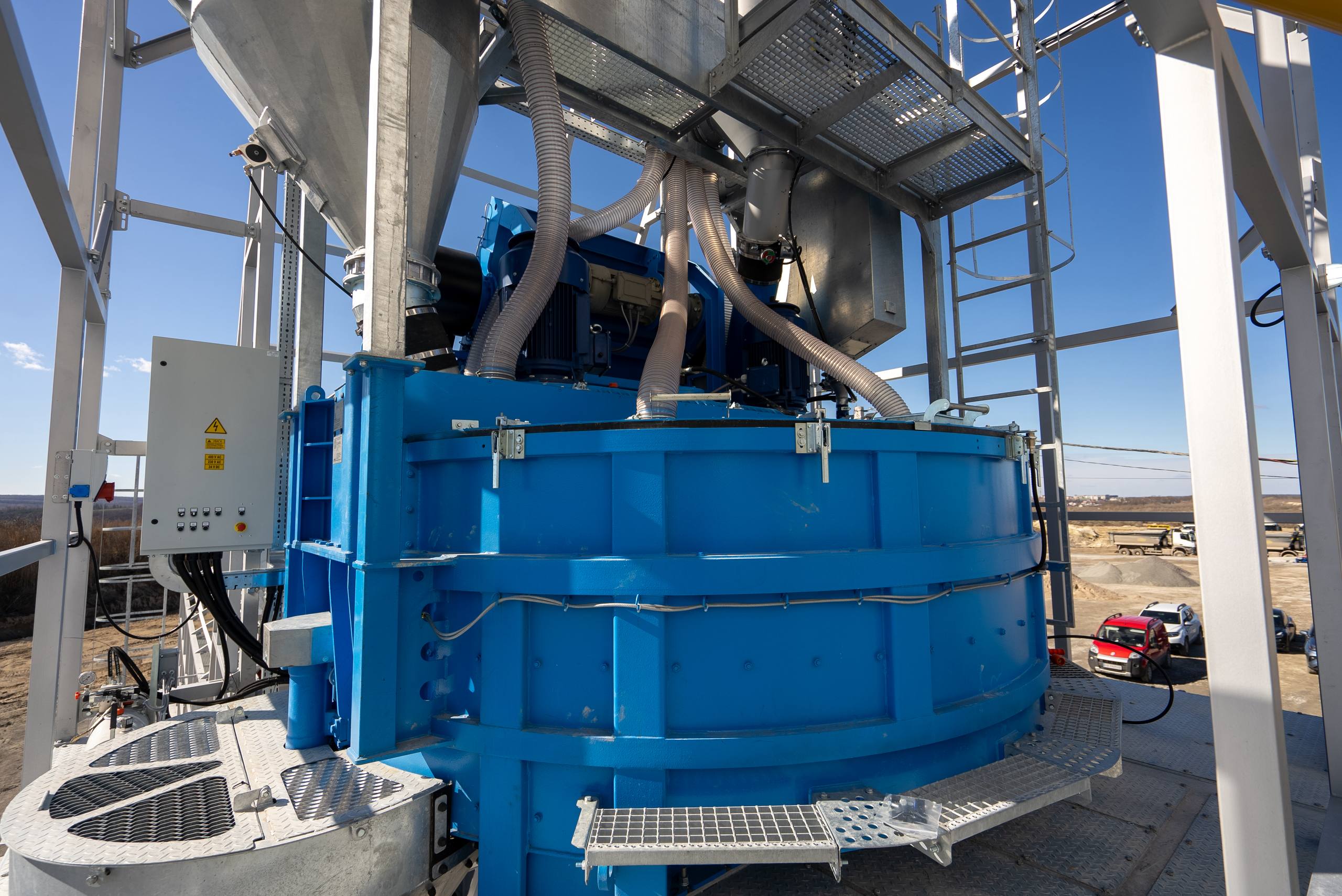
Якість бетону починається не з цементу — а з правильно спроєктованого змішувача. У своїх установках ми використовуємо сучасні двовальні, планетарні або роторні змішувачі, зокрема від італійського бренду SICOMA.
Чому це важливо?
-
Двовальні змішувачі забезпечують швидке та рівномірне перемішування навіть для складних сумішей.
-
Планетарні — ідеальні для сухих та жорстких бетонів.
-
Роторні — ефективні для спеціальних рецептур.
Це означає стабільну якість бетону від першого до останнього кубометра, без «провалів» у рецептурі.
3. Як будується завод: етапи реалізації проєкту
Етап 1 — Проєктування
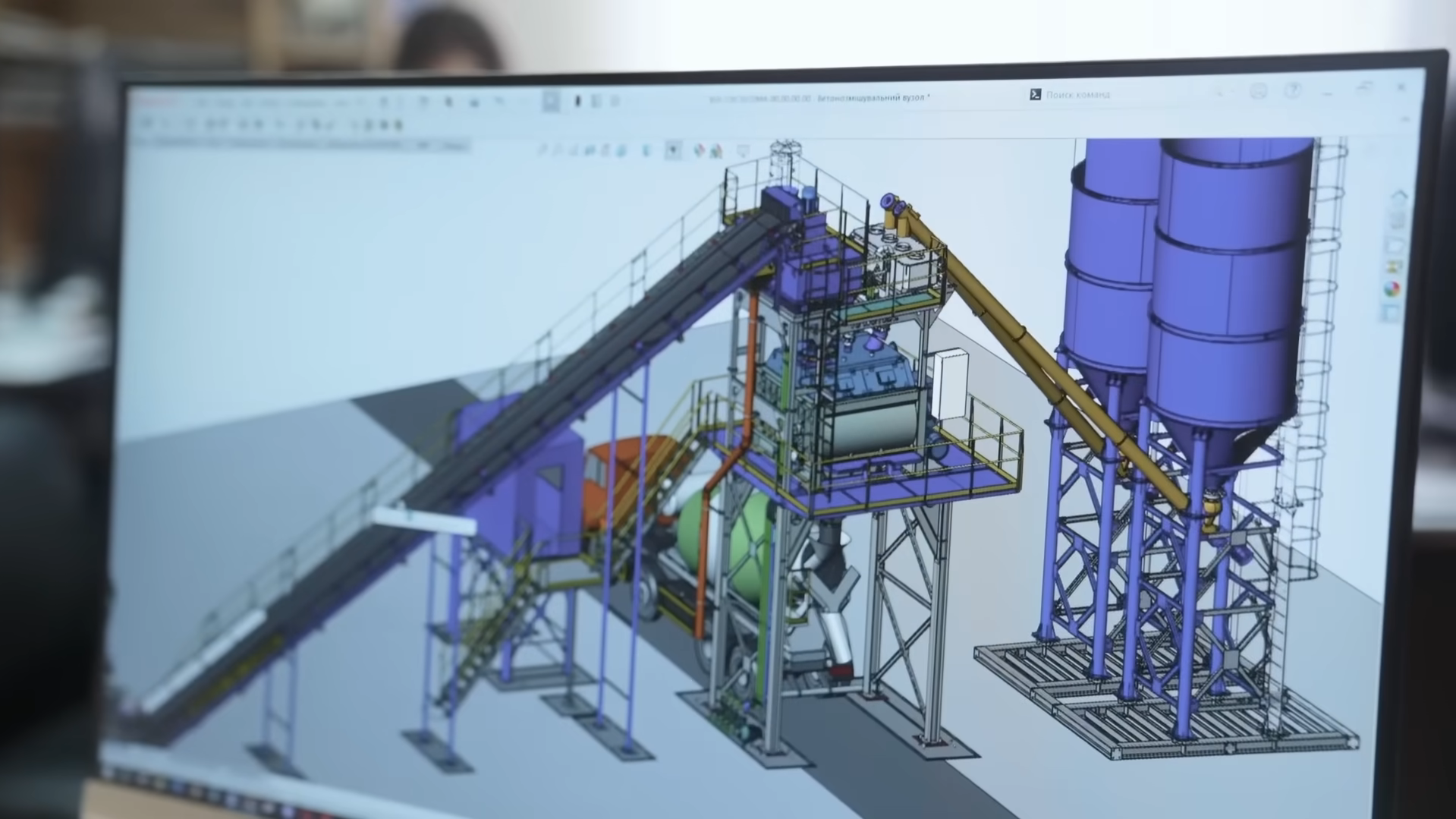
Наші інженери створюють 3D-модель майбутнього заводу, враховуючи розташування силосів, бункерів, конвеєрів, дозаторів, операторської та логістики транспорту.
Етап 2 — Виробництво обладнання
Усі ключові вузли виготовляються на потужностях KARMEL: металоконструкції, бункери інертних матеріалів, системи дозування, транспортні механізми.
Етап 3 — Доставка та монтаж
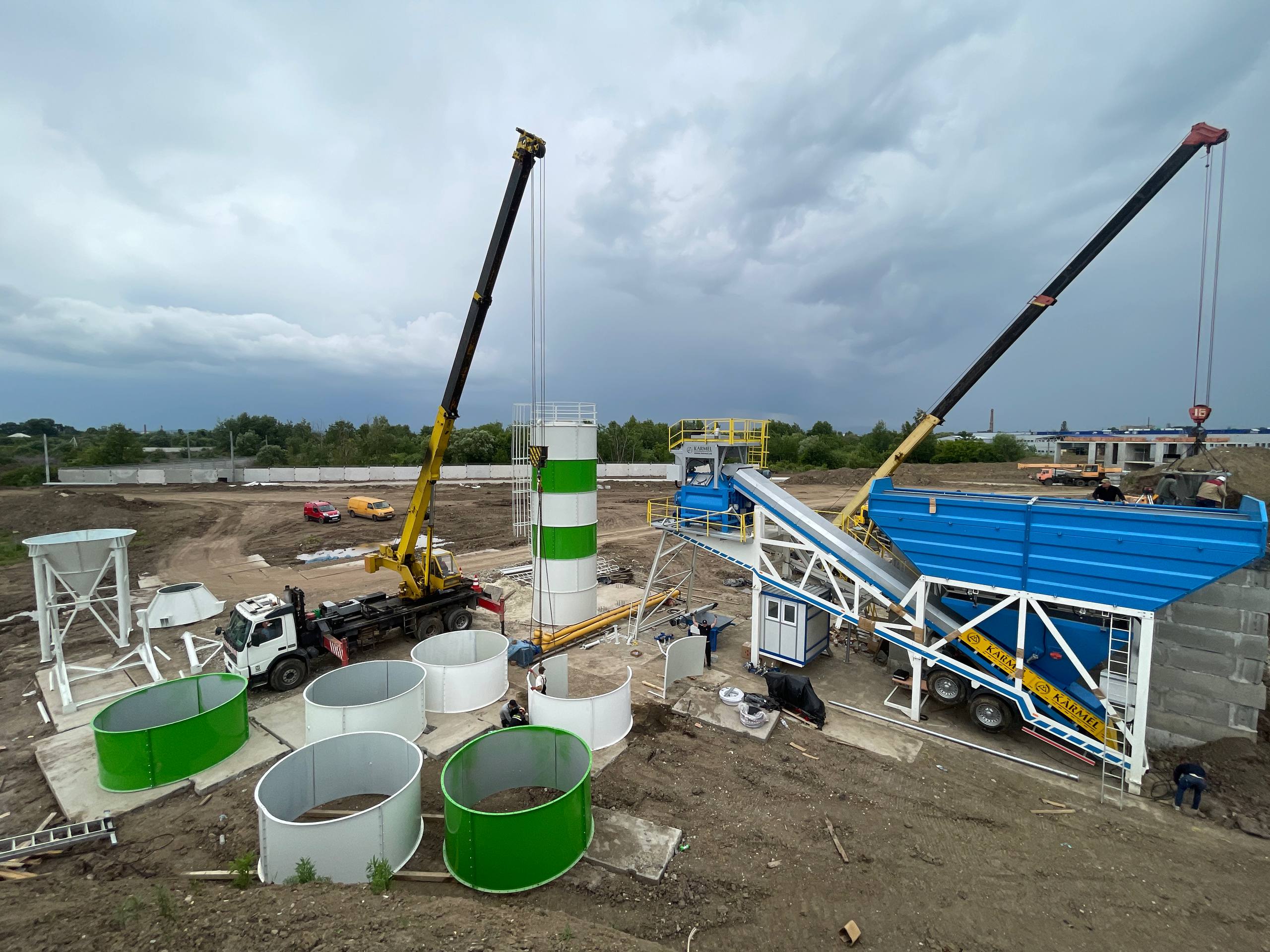
Наші заводи проєктуються так, щоб їх можна було транспортувати стандартними трейлерами та швидко зібрати на майданчику.
Середній термін монтажу — 10 днів, після чого починаються пусконалагоджувальні роботи.
Етап 4 — Запуск і навчання персоналу
Ми не просто «вмикаємо кнопку». Наші спеціалісти навчають операторів, пояснюють логіку системи управління та налаштовують рецептури бетону під конкретні задачі замовника.
4. Автоматизація та цифровий контроль — завод майбутнього вже сьогодні
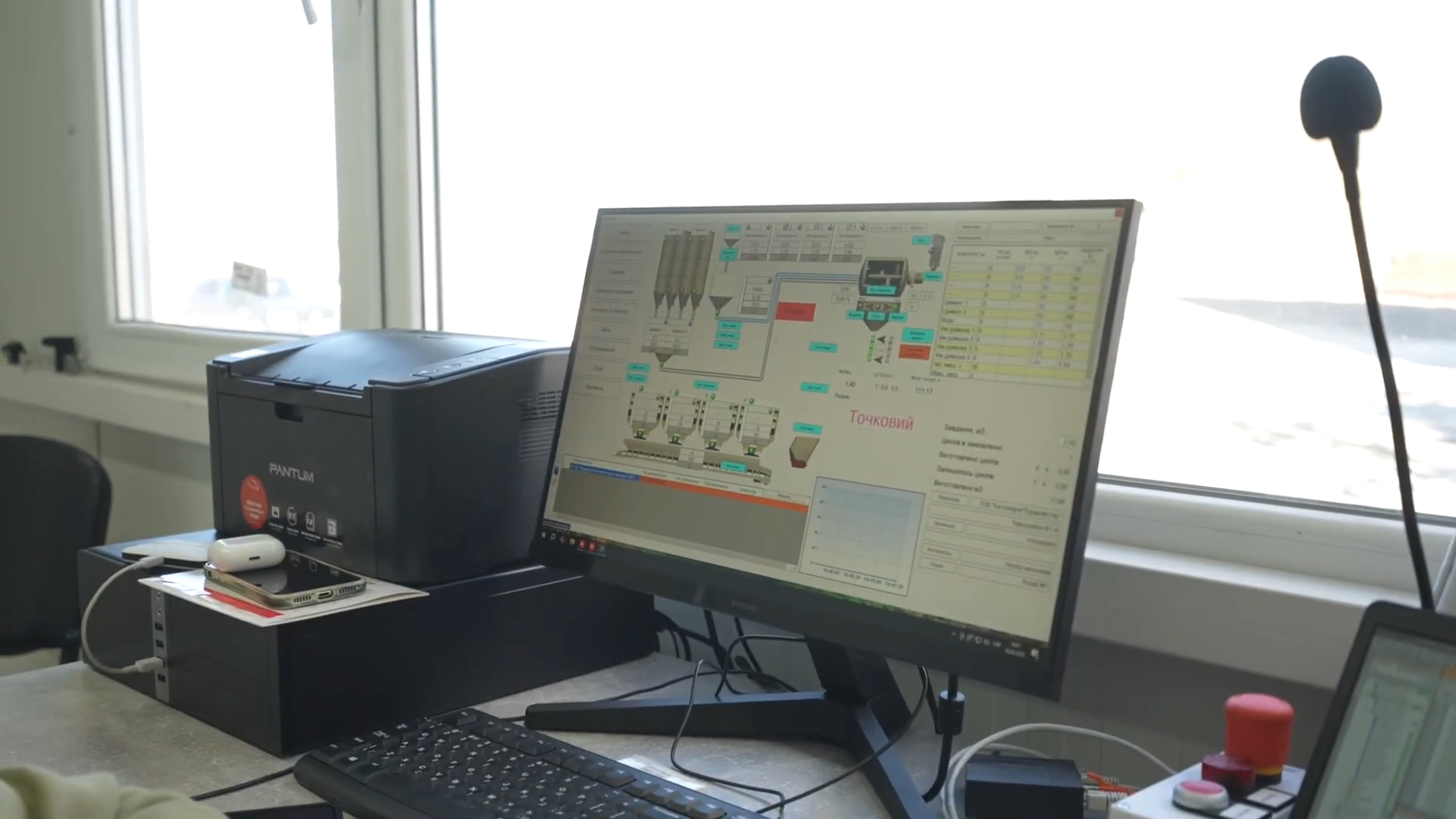
Сучасний бетонний завод — це не просто метал і двигуни. Це високотехнологічна система управління.
Установки KARMEL оснащені:
-
PLC-контролерами,
-
автоматичним дозуванням інертних матеріалів, цементу та води,
-
дистанційним моніторингом процесів,
-
можливістю віддаленої діагностики.
Це означає:
-
менше людських помилок,
-
точніші рецептури,
-
стабільнішу якість бетону,
-
швидше реагування на технічні проблеми.
5. Логістика та компактність — економія простору і ресурсів
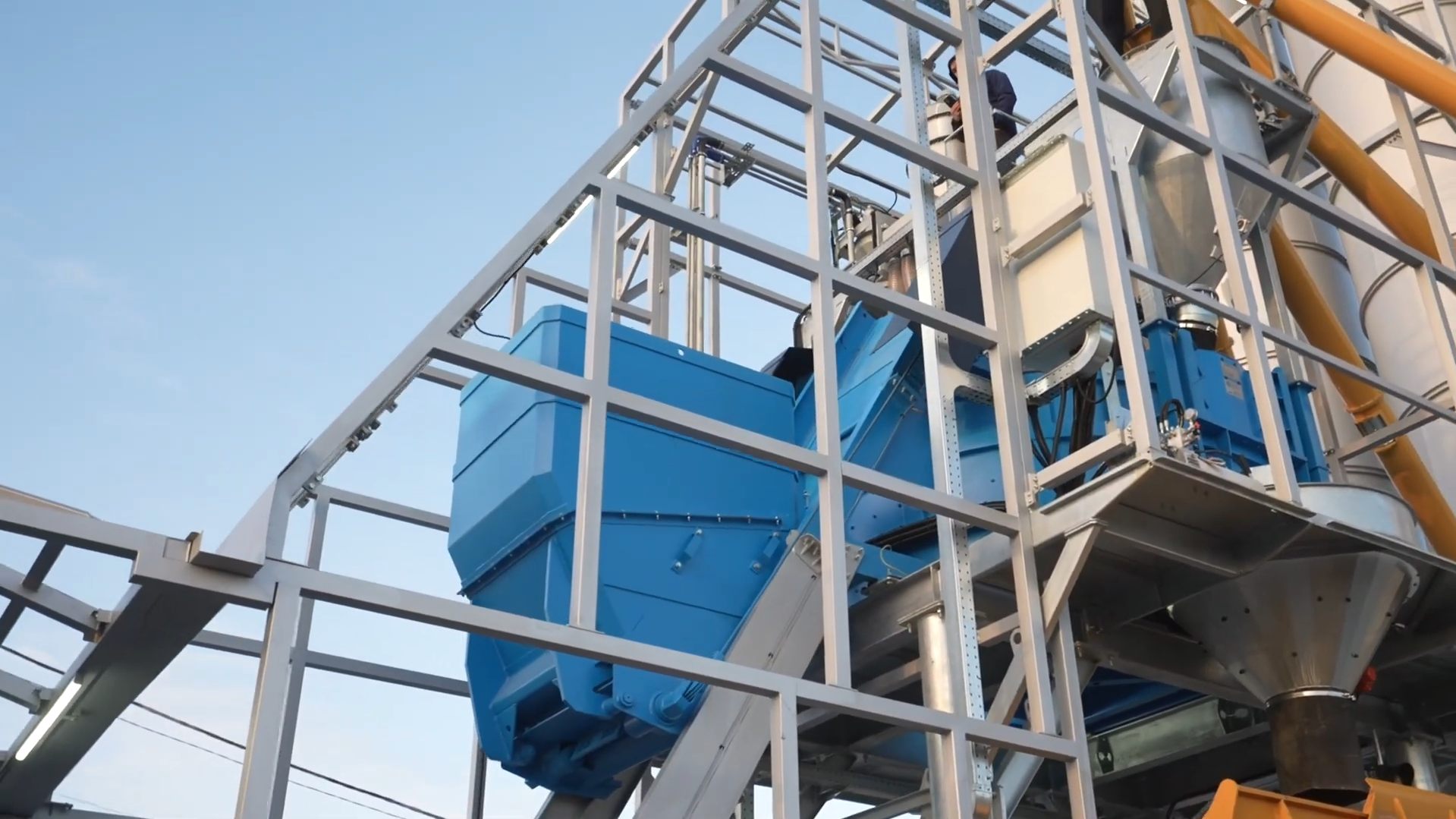
Багато клієнтів обирають KARMEL завдяки продуманій компоновці обладнання.
Наприклад, установки зі скіповою подачею матеріалів дозволяють:
-
зменшити площу, необхідну для заводу,
-
скоротити енергоспоживання,
-
знизити експлуатаційні витрати.
Це особливо важливо для підприємств, розташованих у межах міст або індустріальних парків.
6. Післягарантійне обслуговування — те, про що часто забувають
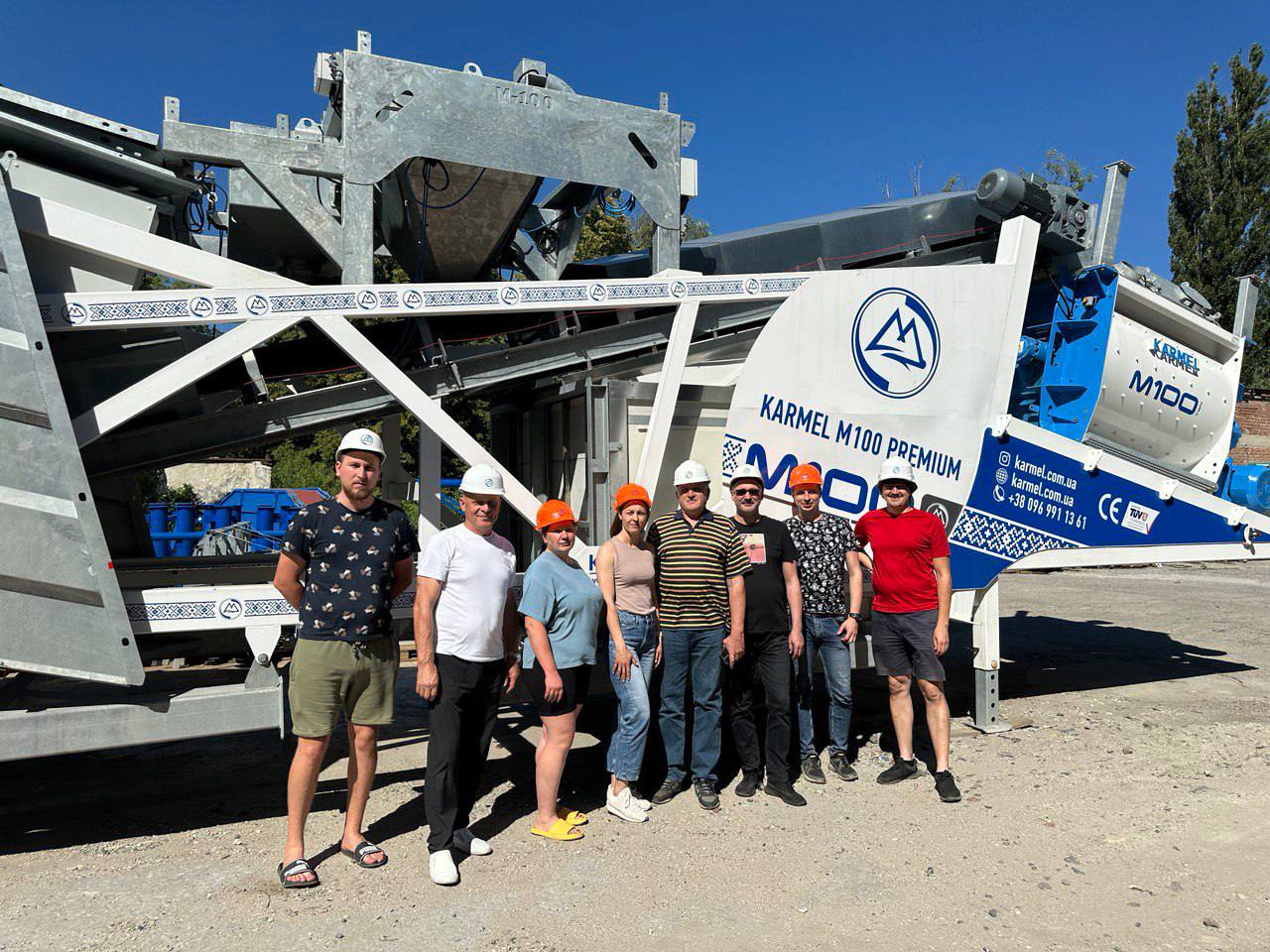
Бетонний завод — це не смартфон, який міняють кожні два роки. Це обладнання, яке має працювати десятиліттями.
Тому KARMEL забезпечує:
-
технічну підтримку після завершення гарантійного терміну,
-
регулярне сервісне обслуговування,
-
постачання запчастин,
-
модернізацію систем автоматизації.
Наші клієнти знають: навіть через 10 років після запуску ми залишаємося поруч.
7. Люди KARMEL — хто стоїть за вашим заводом
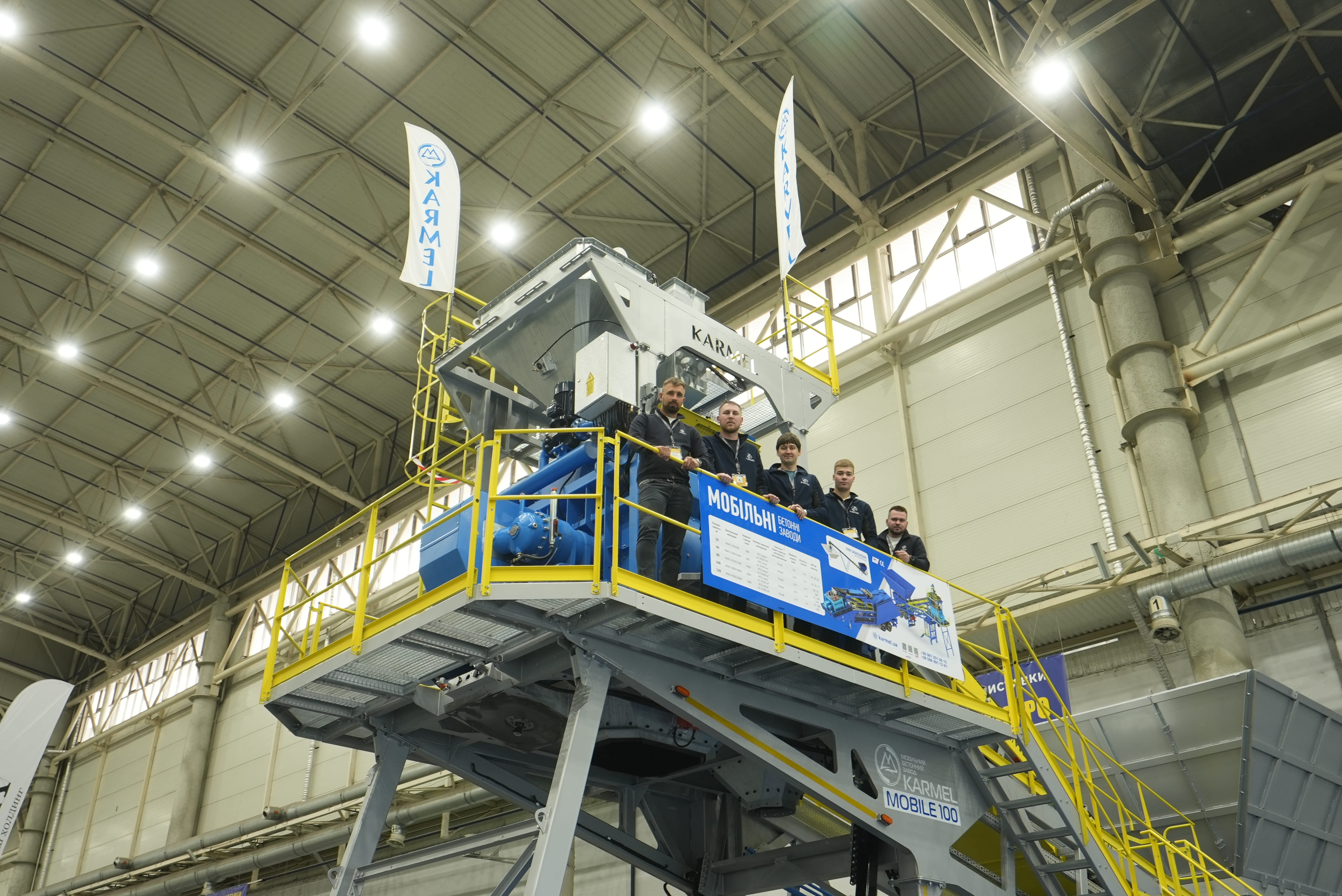
За кожною установкою стоїть команда: інженери, зварювальники, конструктори, електрики, програмісти, сервісні спеціалісти.
Це ті люди, яких рідко бачать замовники, але саме вони роблять так, щоб ваш завод працював безвідмовно.
8. Виставки, визнання та міжнародний розвиток
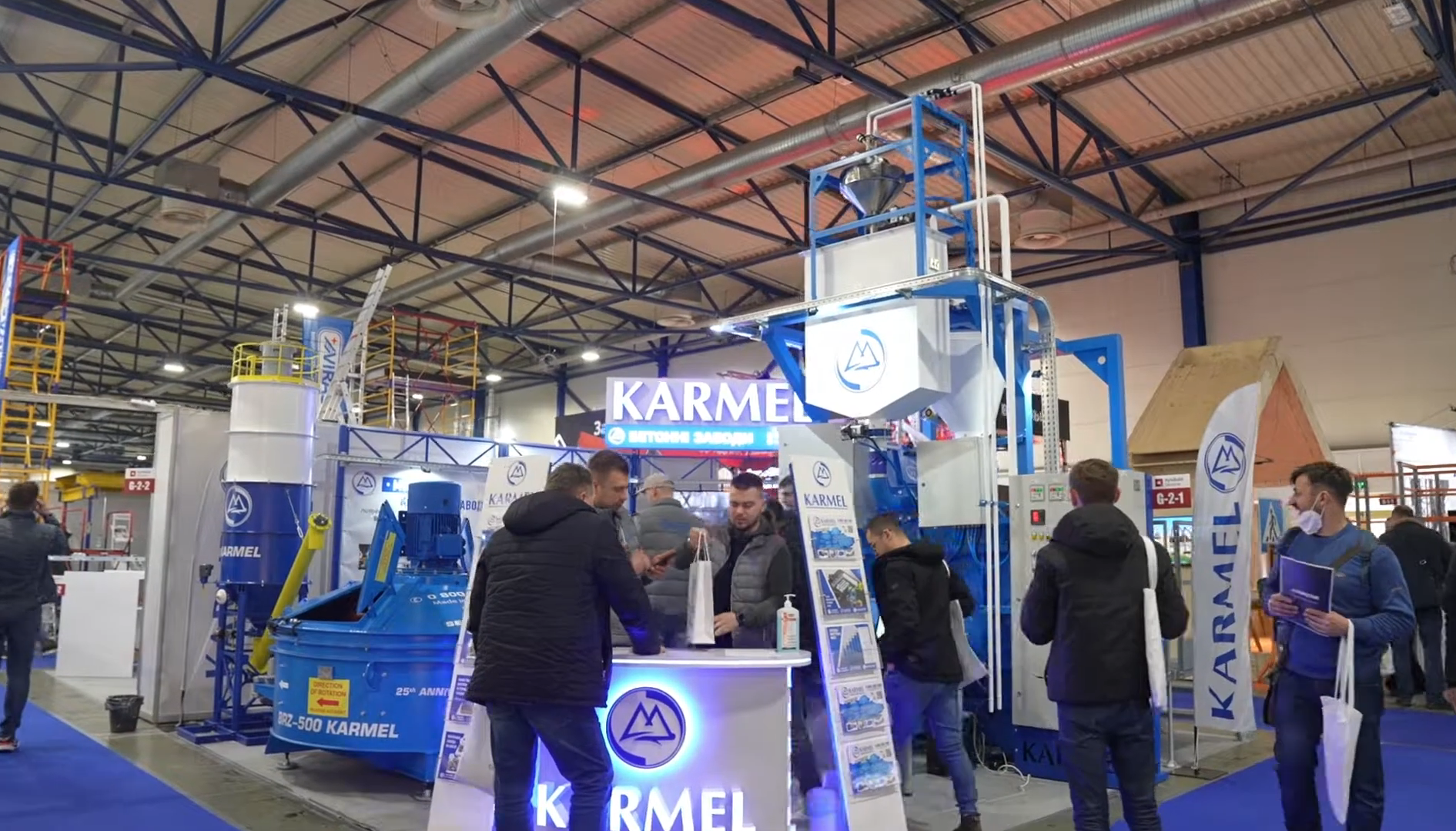
Ми регулярно беремо участь у міжнародних виставках:
-
EuroBuildExpo,
-
KyivBuild,
-
промислових форумах у Польщі, Німеччині, Франції, ОАЕ.
Окремим напрямом є співпраця з індустріальними парками, зокрема з британським Markham Vale, що відкриває нові можливості для KARMEL у Європі.
9. Як обрати свій бетонний завод? — короткий гайд для клієнта
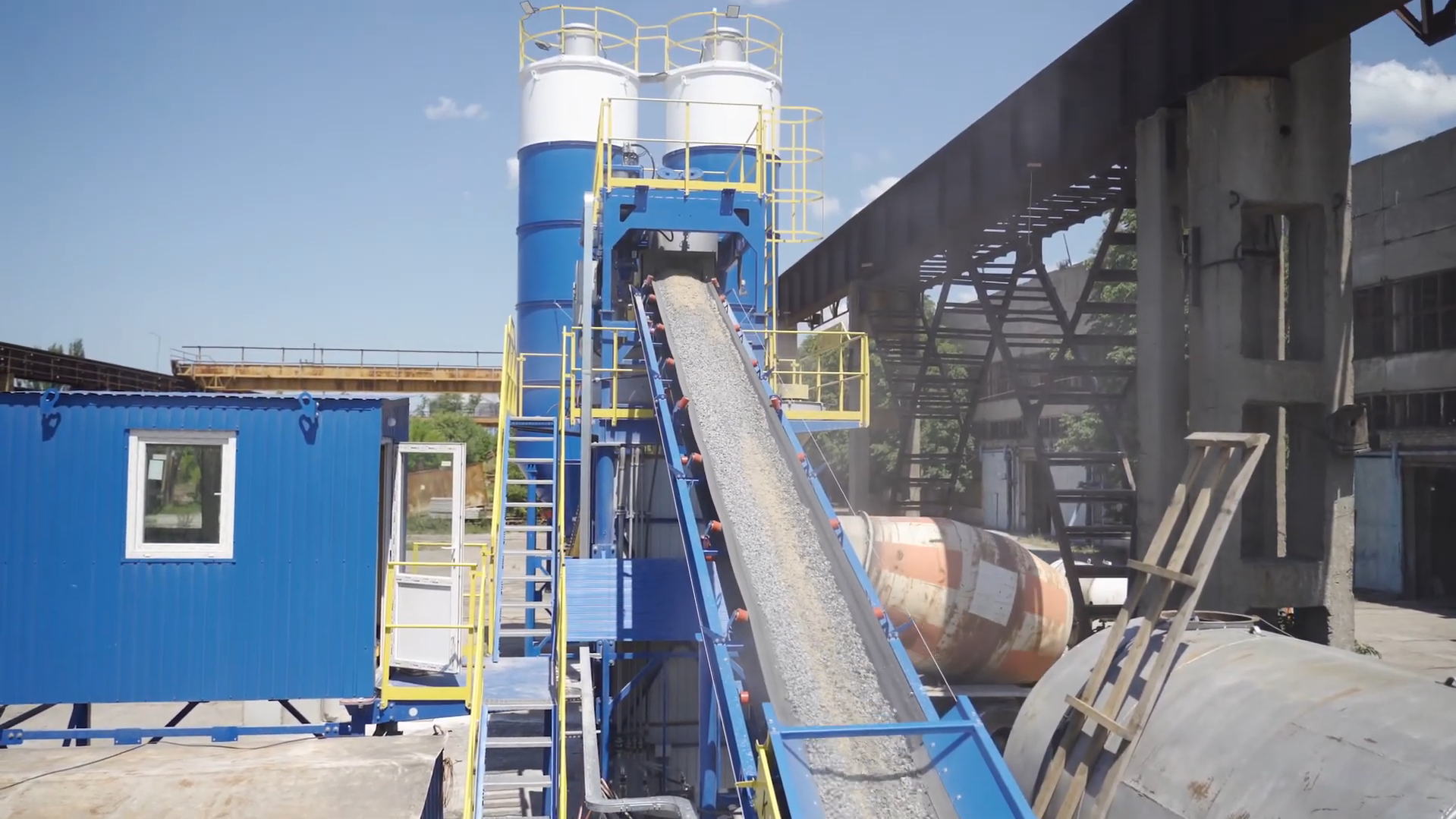
Якщо ви плануєте запуск БЗУ, зверніть увагу на:
-
Продуктивність — чи відповідає вона вашим потребам?
-
Тип змішувача — двовальний чи планетарний?
-
Система автоматизації — чи є дистанційний контроль?
-
Логістика — чи легко транспортувати установку?
-
Сервіс — чи підтримує виробник завод після продажу?
-
Досвід компанії — скільки реалізованих проєктів?
За всіма цими пунктами KARMEL відповідає найвищим стандартам.
10. KARMEL — більше, ніж бетонні заводи
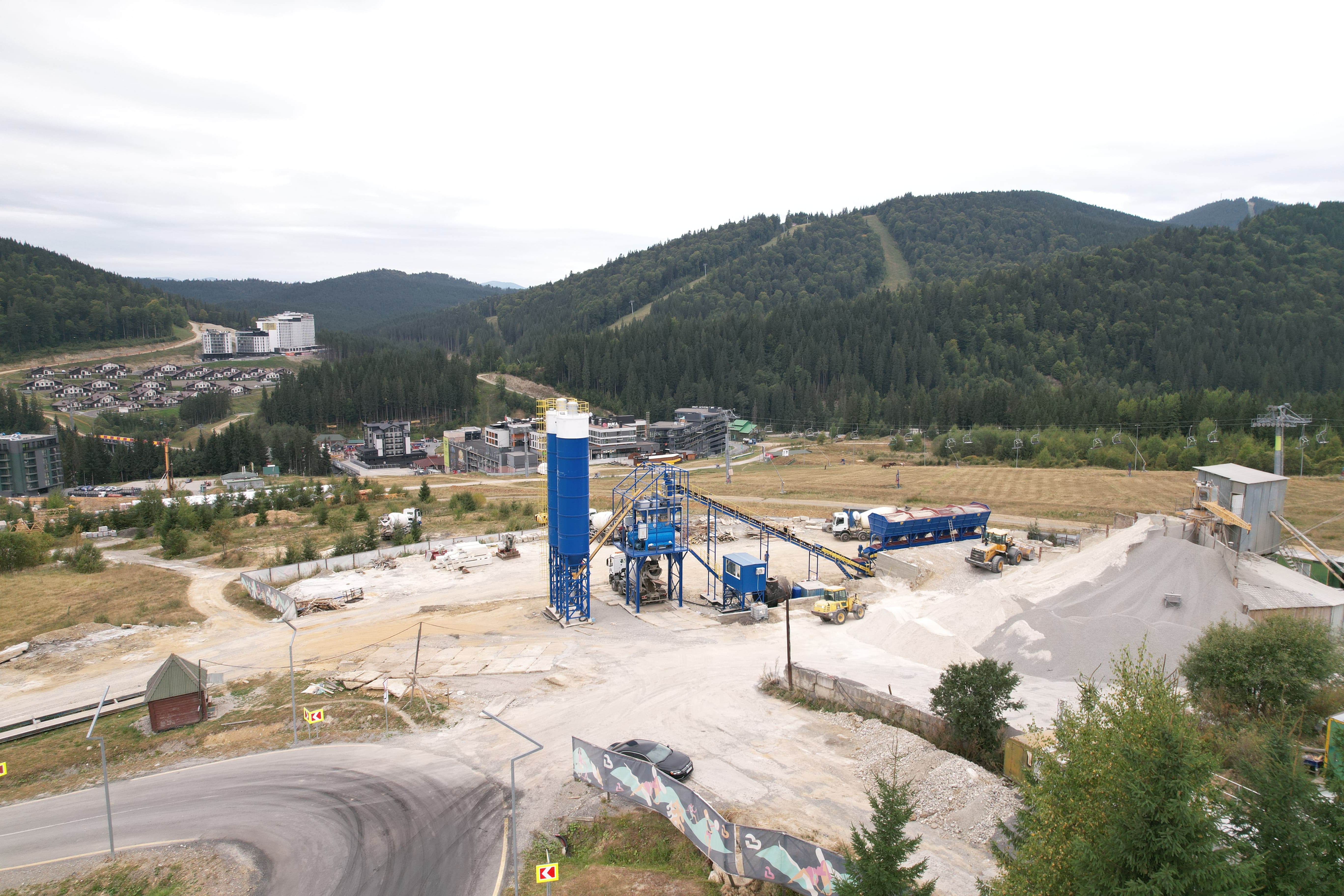
Ми не просто виробляємо обладнання. Ми створюємо інструменти для розвитку країни.
Наші заводи працюють там, де будується майбутнє України: на дорогах, мостах, промислових об’єктах та енергетичних проєктах.
KARMEL — це надійність, яка має ім’я.
KARMEL — будуємо сильну Україну.
